


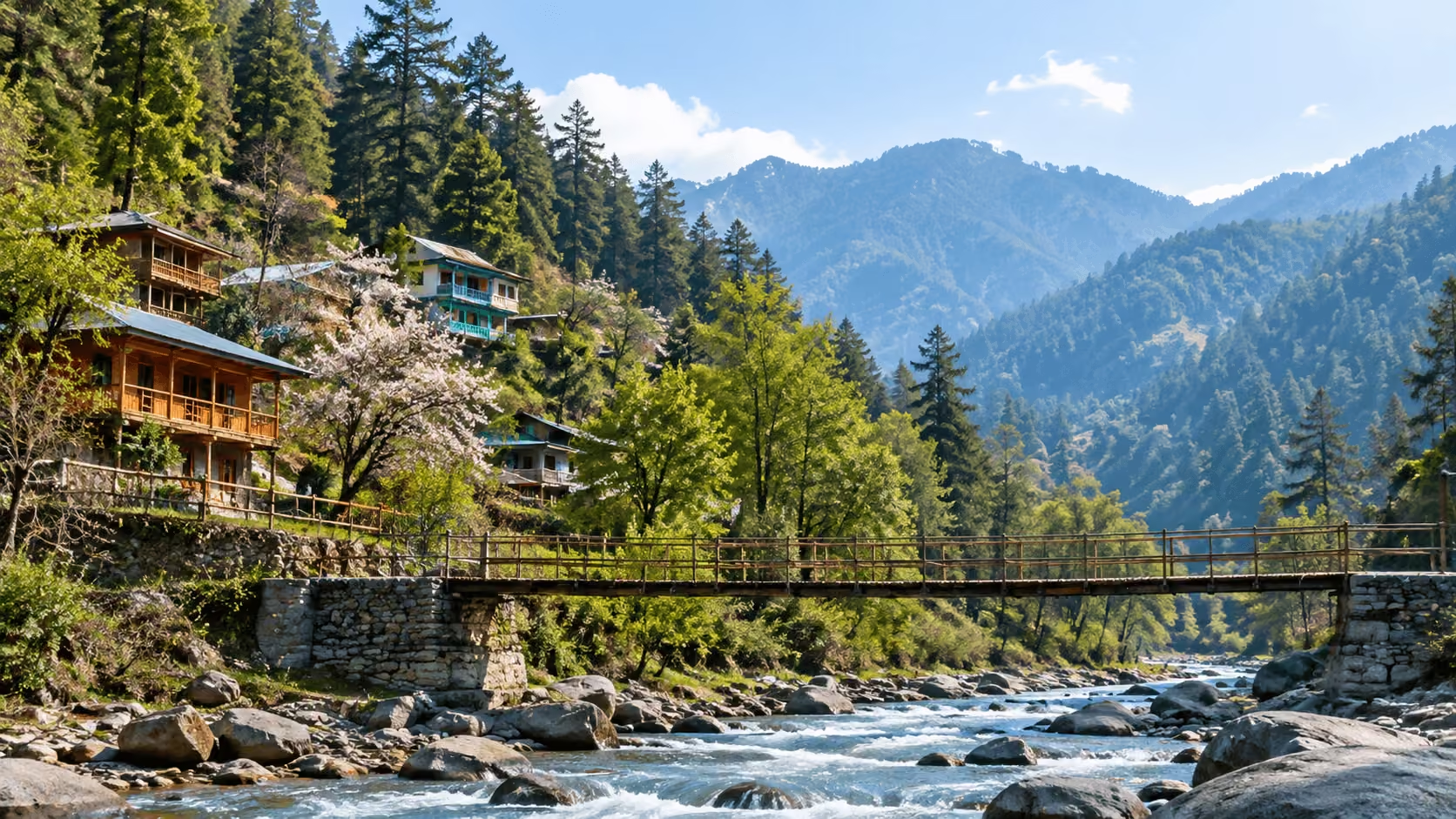
Have you ever wanted a mountain town that does not feel like a mountain town? No traffic jams, no souvenir rows, just deodar trees, wooden homes and a stream somewhere nearby talking to itself. That is Jibhi. Tucked into the Banjar valley of Kullu district in Himachal Pradesh, it has quietly become the favourite of travellers who find Manali too loud. This Jibhi travel guide covers the waterfalls, the treehouse culture, the neighbouring Tirthan Valley, the best months to go and how to plan a stay that feels unhurried.
What Makes Jibhi Special?
Jibhi is small on purpose. A handful of cafes, a few homestays, forest trails and traditional villages make up most of the scene. Its charm comes from what it lacks, namely crowds and commercial noise. You wake up to birdsong, spend your day walking or sitting with a book and end it by a bonfire. Does that sound too slow? For many people, that is exactly the point.
The area also sits close to the Tirthan Valley and the Great Himalayan National Park, so nature lovers get a lot of variety within a short drive. Trout streams, apple orchards, ancient temples and high mountain passes all fit into a single trip.
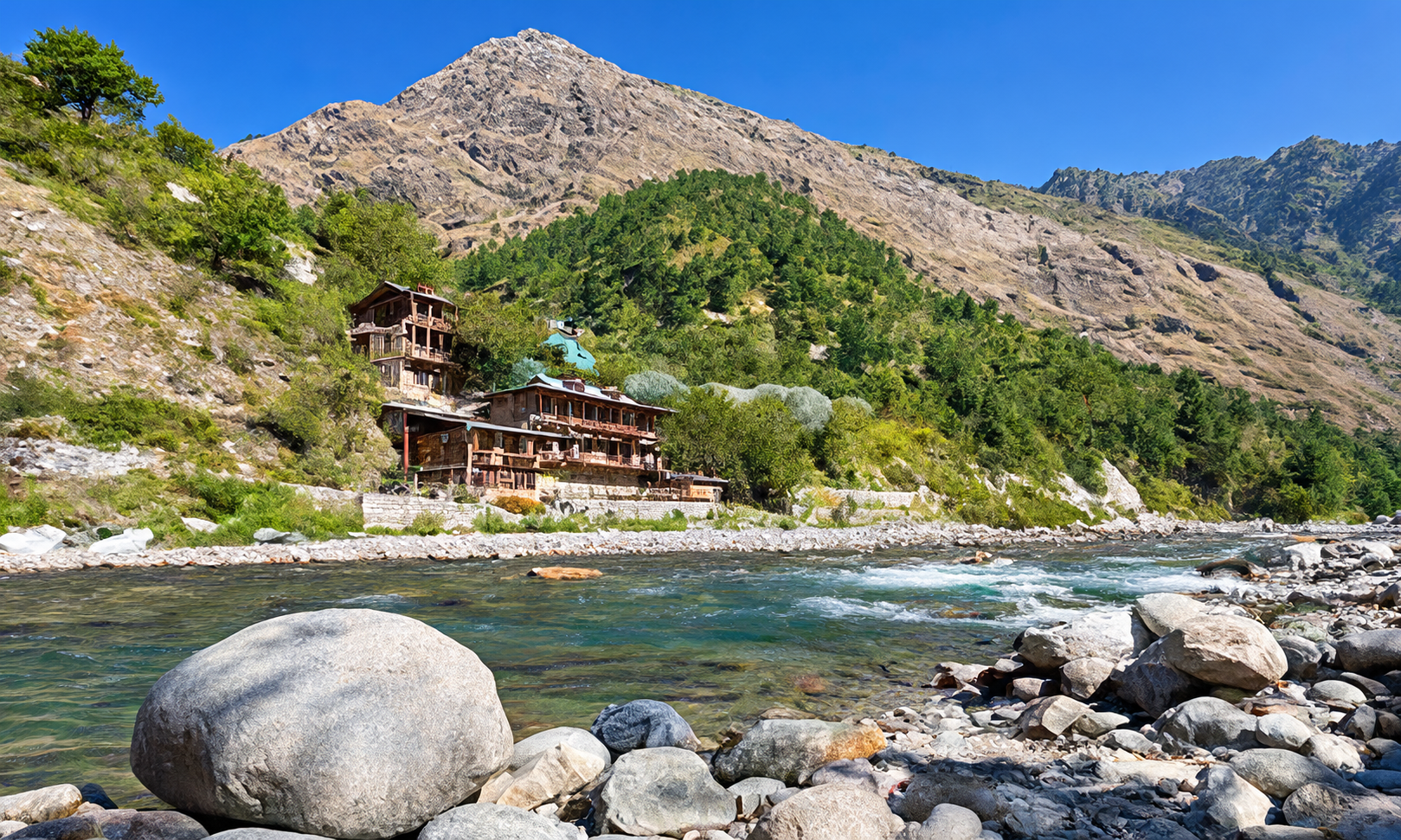
Best Time to Visit Jibhi
The honest answer is that Jibhi works in every season, but each one gives a different mood. Pick the one that matches your idea of a holiday.
March to June
Spring and early summer bring mild days, blooming orchards and comfortable trekking. Daytime feels warm, evenings stay cool and the forests look fresh. This is the safest window for first time visitors.
July to September
The monsoon turns the valley intensely green and fills the waterfalls, but heavy rain can trigger landslides and block roads. Travel with flexibility, check road updates and avoid tight schedules.
October and November
Clear skies, golden light and crisp air. Many photographers consider this the prettiest stretch, and the apple harvest adds colour to village life.
December to February
Cold, quiet and atmospheric. Nights drop below freezing and higher areas such as Jalori Pass can see snow, which sometimes closes the road. Pack serious warm layers and expect shorter days.
If you want one recommendation, aim for late April to early June or October. The weather is kind, the trails are open and you will not fight for a table.
Waterfalls and Trails You Should Not Miss
What do you actually do in Jibhi? You walk, and the walks are lovely.
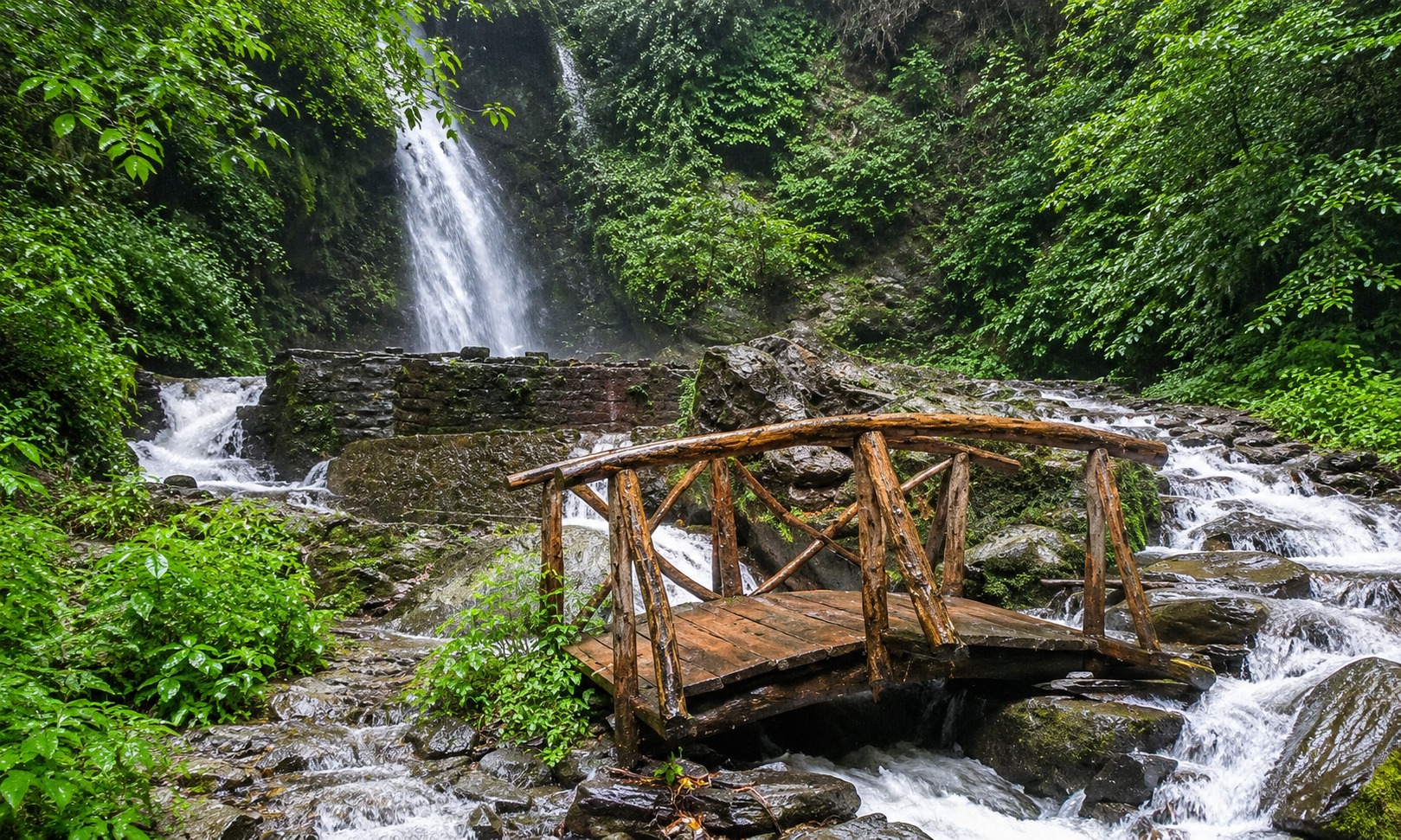
Jibhi Waterfall
A short, easy hike from the main market area leads through forest to this popular cascade. It is best after rain, when the flow is strong. Wear shoes with grip, because rocks near the water stay slippery.
Jalori Pass and Serolsar Lake
The pass sits at roughly 3,100 metres and offers wide mountain views on a clear day. From there, a gentle forest trek of a few kilometres leads to Serolsar Lake, a calm pool surrounded by trees and linked with local belief. Start early, carry water and check weather before you go.
Raghupur Fort Trek
A longer climb for those who want a proper hike. The trail rewards you with open meadows and sweeping views across the valley.
Village and River Walks
Not every highlight needs a big climb. Wandering through nearby villages, along the stream and past apple orchards often becomes the best part of the trip.
Tirthan Valley: Jibhi's Wilder Neighbour
Tirthan Valley lies close by and pairs naturally with Jibhi. The Tirthan River runs clear and cold, and the valley is the gateway to the Great Himalayan National Park, a protected area known for its biodiversity and recognised by UNESCO. Gushaini, the main hub, has riverside stays, fishing spots and trailheads.
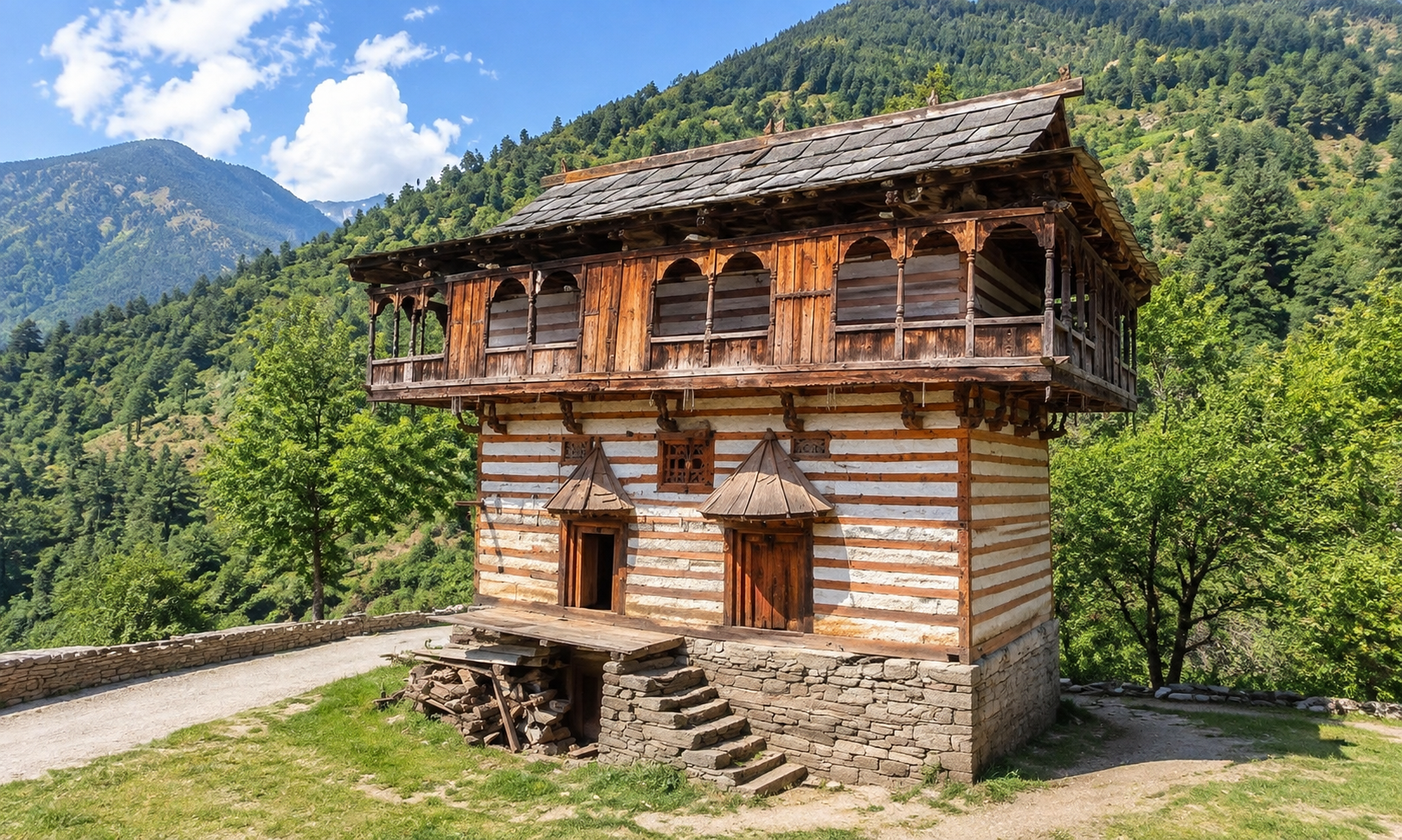
Anglers come for trout, though fishing rules and seasons apply, so ask a local guide about permits. Birdwatchers, hikers and quiet river sitters all find something to love here. Nearby, the Chehni Kothi tower, built in the traditional Kathkuni style, shows how locals once built earthquake resistant homes from stone and timber.
A good plan is to base yourself in Jibhi and take a full day trip to Tirthan, rather than rushing between them.
Treehouses and Wooden Cottages
Jibhi is famous for its treehouses and timber cottages, and photos of them fill every travel feed. What should you look for?
First, check safety and comfort, not only looks. A beautiful treehouse can be cold, noisy or hard to reach, so read recent reviews and ask about heating, bathrooms and access. Second, think about your group. Elevated stays often involve stairs, which may not suit small children or older travellers. Third, remember that location matters as much as design. A quiet spot near a stream is worth more than a famous photo angle.
If you prefer solid comfort with local character, traditional Kathkuni style buildings are a wonderful alternative. They use layers of stone and wood, which keep interiors warm in winter and cool in summer.
How to Reach Jibhi
The nearest airport is Kullu Manali Airport at Bhuntar, roughly an hour's drive away, though flights can be limited. Most travellers come by road. From Chandigarh, expect a long day on the road through Mandi and the Aut tunnel, and from Delhi plan for a full day of driving or an overnight bus to Aut or Banjar followed by a taxi.
Mountain roads can be narrow, so start early, avoid night driving in rain and keep a buffer day in your itinerary. Local taxis from Aut or Banjar are easy to arrange.
What to Pack
-
Comfortable trekking shoes with good grip
-
Layers, including a warm jacket even in spring
-
A light rain jacket, since showers can arrive without warning
-
Sunscreen, sunglasses and a cap
-
A power bank, as network and electricity can be patchy
-
A small first aid kit and any regular medicines
-
Cash, because ATMs are scarce in the valley
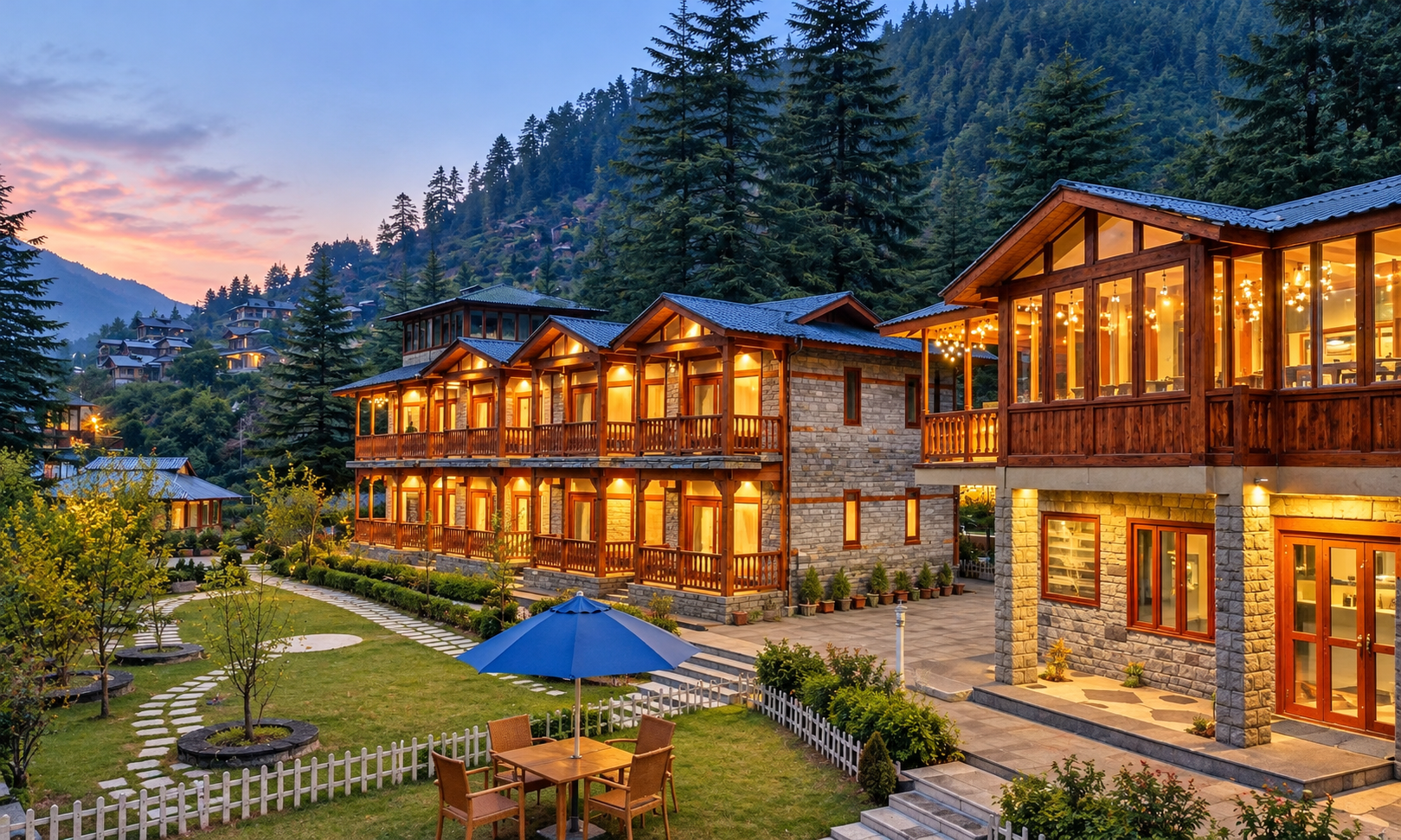
Choosing the right stay shapes the whole trip. 8fold by LaRiSa, Jibhi is a boutique resort set among deodar and pine trees, with an apple orchard and the gentle Hidib stream, a tributary of the Tirthan River, running nearby. The building follows the traditional Kathkuni style, blending stone and wood, with distinctive blue stones from Rewalsar adding character. It lies about an hour's drive from Kullu Airport.
Rooms include the Deluxe Mountain View Room with Balcony, the Premium Mountain View Room with Balcony and the Duplex Mountain View Room, which suits families and small groups. One guest review mentioned that the heated beds were so comfortable that they skipped part of their itinerary. That is the kind of problem we like to hear about.
Food is a highlight too. Khambir serves a buffet of Himachali dishes, Mughlai favourites and other comfort food. Evenings are built for slowing down, with options like Evening by the Fire, a Starlit Dinner, a guided Countryside and River Trail and Flavours of Jibhi, a tasting of traditional dishes including the festive Kullu Dham Thali (pre order required). Experiences depend on availability and weather.
Booking direct brings privileges such as a complimentary upgrade on availability, a free stay for up to two children under 8 years and savings on food and soft beverages. The property currently holds a Google rating of 4.7 from over 300 reviews.
A Simple Three Day Plan
Day 1
Arrive, settle in and take a slow walk by the stream. End with dinner and a bonfire.
Day 2
Hike to Jibhi Waterfall in the morning, enjoy a long lunch and spend the afternoon exploring nearby villages or joining the Countryside and River Trail.
Day 3
Drive up to Jalori Pass and, if the weather allows, walk to Serolsar Lake. Return for a Starlit Dinner and an early night.
Got a Fourth Day?
Spend it in Tirthan Valley, visiting Gushaini and the river, or simply stay put and do nothing at all.
Frequently Asked Questions
1.What is the best time to visit Jibhi?
March to June and October to November offer the most comfortable weather. Winter suits snow lovers and monsoon suits waterfall seekers who accept some risk.
2.How many days are enough for Jibhi?
Three nights is a good balance. Add a fourth if you want to explore Tirthan Valley or do a longer trek.
3.Is Jibhi good for families?
Yes. It is calm and safe, though some trails and treehouse stays involve stairs, so choose accommodation carefully with young children.
4.How far is Jibhi from Tirthan Valley?
They are close neighbours, and Tirthan works well as a day trip from Jibhi.
5.Does Jibhi get snow?
Higher areas like Jalori Pass receive snow in winter, and the village itself can turn very cold. Check road conditions before travelling.
Ready for Jibhi?
Jibhi rewards people who arrive without a long checklist. Walk a little, listen to the stream and let the valley set the pace. When you are ready to plan, book your stay at 8fold by LaRiSa, Jibhi or call the team on +91 778 899 1297, and give yourself a few days that feel truly unhurried.